In the sunny climes of Daytona Beach, maintaining a pristine swimming pool can be a challenge due to the prevalent issue of algae growth. This guide covers the causes of pool algae, effective emergency removal techniques, and sustainable cleaning methods designed to protect both your pool and the environment. Understanding the dynamics of algae empowers pool owners to take control of their maintenance effectively — and to know when it's time to call in a green-to-clean recovery service.
What Causes Pool Algae Growth in Daytona Beach and Volusia County?
Pool algae thrives in warm, sunny conditions, making the Florida climate particularly conducive to rapid growth. The primary causes of algae proliferation include improper water chemistry, stagnant water, and contamination from debris or other sources. A well-maintained pool with balanced pH, chlorine levels, and regular circulation is essential to combat these invasive organisms. Additionally, organic materials from leaves and dirt introduce algae spores, while high temperatures accelerate their reproduction, leading to murky water and unsightly green surfaces.
Though algae are crucial for oxygen production and supporting higher life forms in nature, high concentrations in a pool lead to unpleasant tastes, odors, and even toxins in the water — which is why prompt, thorough removal matters.
Understanding algae: blooms, odors, toxins, and removal. Algae are a significant source of oxygen on Earth through photosynthesis, and an efficient biological system for converting solar energy into plant life. At high concentrations — blooms — they contribute tastes, odors, and even toxins to surrounding water, and are best removed before they rupture and release those compounds. (Algae removal by flotation, 2010)
Which Types of Algae Affect Residential Pools?
Several types of algae can impact residential pools:
- Green algae — the most common, thriving in warm, nutrient-rich water; it can turn a clear pool into a green swamp in days.
- Yellow (mustard) algae — less common, forms in shaded clusters, and is stubborn to remove, often requiring targeted treatment.
- Black algae — dark, spot-like colonies that root into plaster surfaces, making them the hardest to eradicate without aggressive brushing and treatment.
How Do Seasonal Weather Patterns Influence Algae Growth?
Seasonal weather plays a crucial role. During the rainy season, storm runoff washes organic material and phosphates into pools and dilutes the chemical balance. Summer heat coupled with intense sunlight then creates optimal growth conditions. Understanding these patterns helps homeowners adjust their maintenance: increasing chlorine attention during peak temperatures and re-testing after every major storm stops most outbreaks before they escalate.
How Does Emergency Pool Algae Removal Work in Daytona Beach?
Emergency algae removal restores clarity and safety to affected pools quickly. A professional recovery starts with a thorough assessment of the pool's condition — identifying the algae type, the debris load, and the underlying chemistry problem (very often runaway cyanuric acid) that let the bloom happen.
What Are the Steps for Rapid Green Pool Recovery?
- Initial assessment — test the water fully, including stabilizer, and determine the algae type and severity.
- Shock treatment — apply chlorine dosed to the pool's actual volume and stabilizer level to kill the bloom.
- Filtration and vacuuming — run filtration continuously and vacuum repeatedly to physically remove dead algae.
- Chemical balancing — rebalance the full water chemistry so the bloom doesn't return.
- Filter deep-clean and maintenance plan — clean the filter that just caught the whole bloom, and set a weekly routine that keeps the pool clear for good.
Most Daytona-area green pools clear in about 4–7 days across several visits — our green-to-clean service documents the whole recovery with before-and-after photos in the app, so you can literally watch the water go from green to blue.
Are Emergency Algae Removal Treatments Safe for Pool Structures?
Yes — professional treatments use carefully selected chemicals that treat the algae without damaging surfaces. The specifics matter, though: vinyl, fiberglass, and concrete finishes tolerate different approaches, and dosing should always account for the surface type. Proper application and post-treatment guidance protect both the finish and the equipment.
What Eco-Friendly Cleaning Methods Are Available for Pool Restoration?
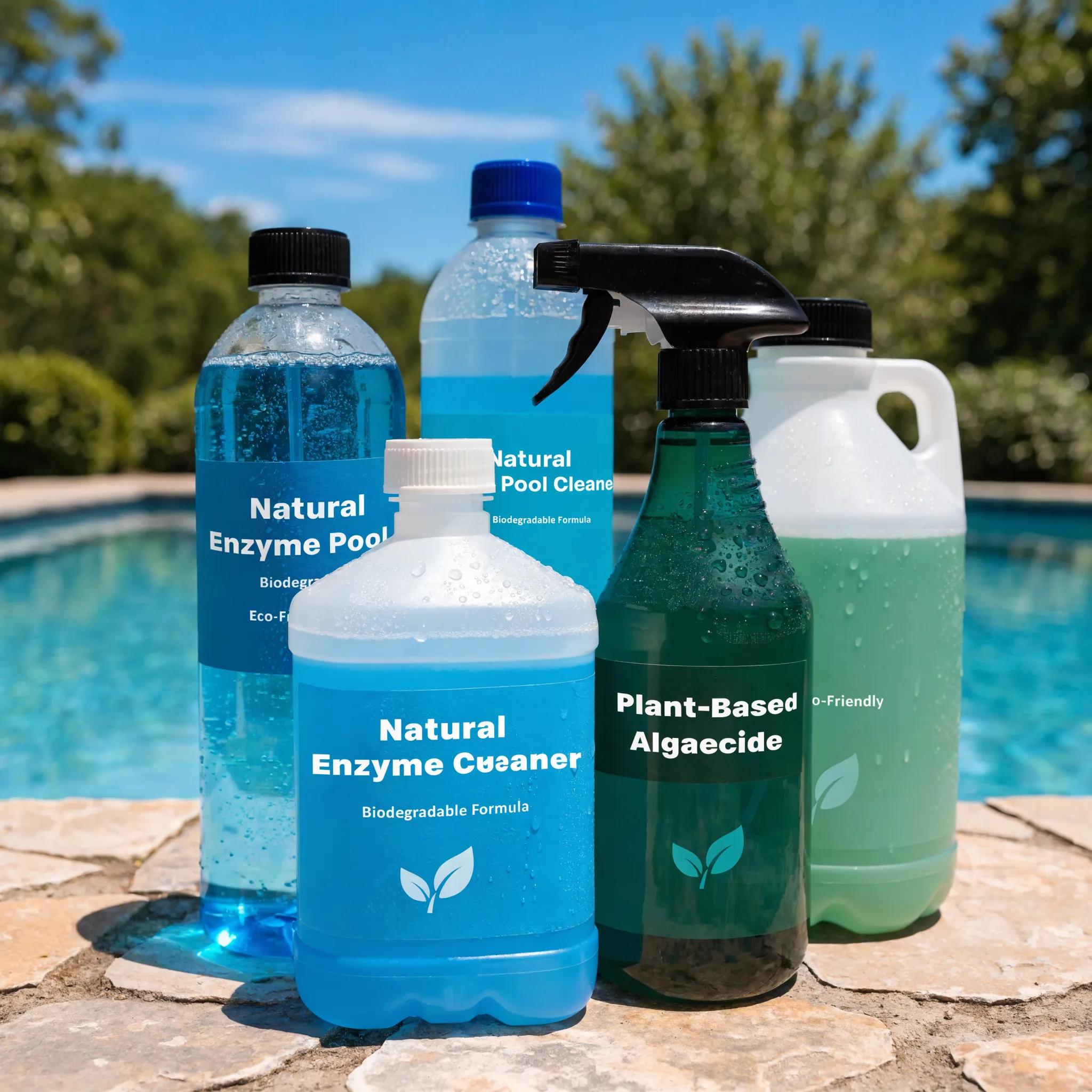
Eco-friendly cleaning methods are increasingly popular among pool owners who want to restore their pools without harming the environment. These approaches use biodegradable cleaning agents and techniques that minimize chemical pollutants entering local waterways — a real consideration this close to the Halifax River and the Atlantic.
Which Biodegradable Products Are Used in Green Pool Recovery?
- Enzyme cleaners — natural enzymes that break down oils and organic contaminants.
- Plant-based algaecides — formulated from plant extracts to target algae while staying gentler on the surrounding ecosystem.
- Phosphate removers — cut off the nutrient supply that feeds algae, reducing how much sanitizer the recovery needs.
These solutions complement — not replace — the chlorine chemistry that actually kills an established bloom, but they meaningfully reduce the total chemical load a recovery requires.
How Do Natural Algae Recovery Services Benefit the Environment?
By reducing harsh chemical runoff, eco-conscious recovery protects local flora and fauna and improves the quality of water that eventually drains toward the river and ocean. When communities embrace these practices, they foster a culture of sustainability that benefits everyone downstream — which in Daytona Beach is everyone.
How Can Daytona Beach Pool Owners Prevent Future Algae Growth?
Prevention is far cheaper than recovery. Consistent upkeep with strategic habits dramatically reduces the likelihood of another green episode.
What Are Best Practices for Regular Pool Maintenance in Volusia?
- Routine testing — test water chemistry weekly and adjust chlorine and pH accordingly; check stabilizer regularly.
- Regular cleaning — skim debris, empty baskets, and brush walls weekly so algae never establishes a foothold.
- Equipment care — keep the filter genuinely clean and circulation strong; a clogged filter is a bloom waiting to happen.
Our guide to weekly pool care in Florida covers the full routine — or weekly service simply makes it our job.
Which Pool Care Products Help Maintain Clear Water Longer?
- Liquid chlorine — reliable sanitation without the stabilizer buildup that tablets cause over time.
- Pool shock — used after heavy rain, parties, or high-use weekends to burn off contaminants.
- Preventative algaecide — a maintenance dose can add a second line of defense during peak season.
Use our free chemical dosing calculator to get the amounts right for your pool's actual volume.
What Does Green-to-Clean Service Cost in the Daytona Beach Market?
When comparing pool restoration services in Daytona Beach, evaluate scope, pricing structure, and proof of work — not just the headline number. Here's how we price it, for honest reference:
- One-time full-service cleaning — typically $80–$150 per visit, chemicals included, for pools that are cloudy but not green.
- Green-to-clean recovery — most run $250–$500 flat plus chemicals, quoted up front after seeing the pool, across multiple visits until the water is clear.
- Weekly maintenance after recovery — from $50–$60/week with chemicals included, which is what keeps the recovery from ever repeating.
Whatever company you compare, insist on a flat quote before work starts, per-visit documentation of the recovery, and a straight answer about what caused the bloom.
What Customer Satisfaction Metrics Distinguish Local Providers?
- Service ratings — recent review averages on Google, not just the lifetime number.
- Proof of service — whether the company documents each visit with photos, so you're never guessing whether anyone came.
- Retention — companies whose customers stay year after year are doing the weekly fundamentals right.
High marks on all three are what separate the top providers — and they're the exact standards we built The Pool Fam around: family owned and run, before-and-after photos of every visit, and an app history that shows exactly what happened in your pool.